A dead cockroach lying upside down on a Riverside garage floor is often a Turkestan cockroach. The outdoor species has spread across the Inland Empire over the past two decades and is now common in residential yards. It looks similar to the darker oriental cockroach, but its habits are different. For Riverside pest control, that distinction changes where technicians search first because Turkestan cockroaches usually breed outside the house.
Why Turkestan Cockroaches Multiply So Quickly
The numbers help explain how the species has spread. Entomologists Tina Kim and Michael Rust compared Turkestan and oriental cockroaches in the Journal of Economic Entomology and found several major differences:
- A Turkestan female produces about 25 egg capsules during her lifetime, compared with 5 to 10 for an oriental female.
- Each capsule contains an average of about 17 young.
- Turkestan offspring reach adulthood in roughly 118 to 137 days, while oriental cockroaches take about 279 to 533 days.
- Turkestan cockroaches pass through five nymphal stages, compared with seven to ten for the oriental species.
That faster development and higher egg production allow populations to grow quickly. The University of California’s Statewide IPM Program also reports that Turkestan cockroaches have displaced oriental cockroaches in many of California’s warm, dry areas, including the Inland Empire.
How to Tell Them Apart
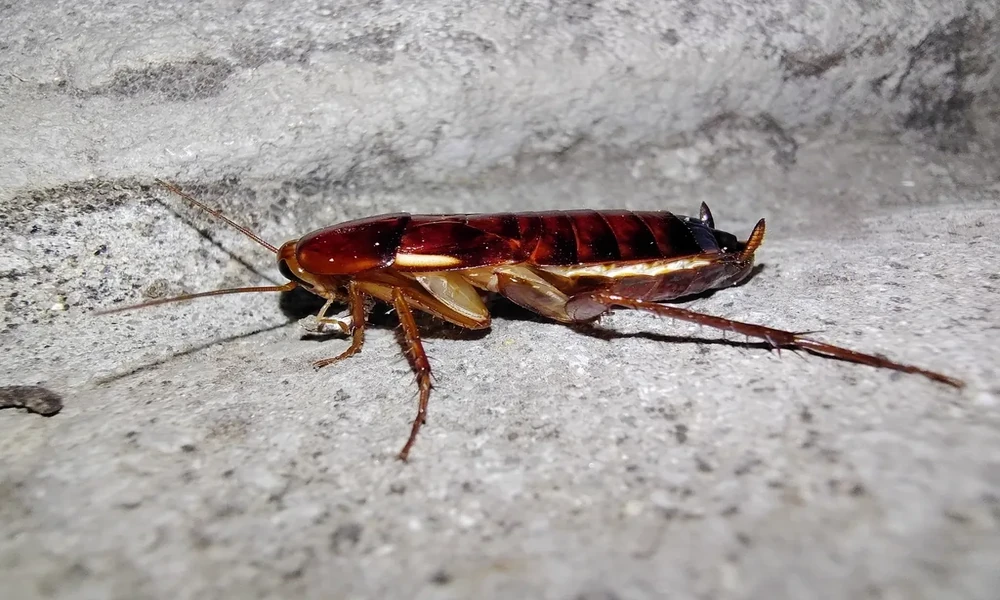
Getting the species right helps determine where to look for the source. A female Turkestan cockroach is about an inch long and dark brown to black, with pale markings along the edges of her short wing pads. Males are slightly smaller and have yellowish-tan wings. They are also attracted to lights and may fly toward porch lights on warm evenings.
American cockroaches can grow to about two inches, while German cockroaches are smaller, light brown, and usually turn up indoors. Oriental cockroaches look more similar to Turkestan cockroaches, but they are darker, slower, and more often found in cool, damp areas.
The winged males are often the ones homeowners notice first. Finding them around outdoor lights can point to a nearby breeding site. That distinction helps determine whether the search should focus inside the house or around the yard.
Where They Hide Around Riverside Yards
Turkestan cockroaches spend most of their lives outdoors, and irrigated Riverside landscaping gives them plenty of places to shelter. They can hide in water meter and irrigation control boxes, cracks in pavement and block walls, outdoor drains, leaf litter, and wood piles.
A narrow strip between a block wall and sidewalk can be especially attractive when irrigation runoff collects there. Warm evenings bring adults out of these hiding places, while porch and landscape lights draw winged males into the open. Automatic sprinklers, thick ground cover, and block walls can leave several suitable hiding spots close to the house.
Why They End Up in Garages
Homeowners often notice Turkestan cockroaches only after one gets indoors through a garage door or gap beneath an exterior door. The insect may be looking for water and usually does not last long inside.
Finding dead roaches around a garage or entryway can point to activity outside. Instead of starting with kitchen cabinets, check the areas just beyond the exterior wall. Irrigation boxes, wall cracks, drains, and sheltered spots around the foundation can reveal where the insects are coming from.
Dealing With an Outdoor Cockroach Problem
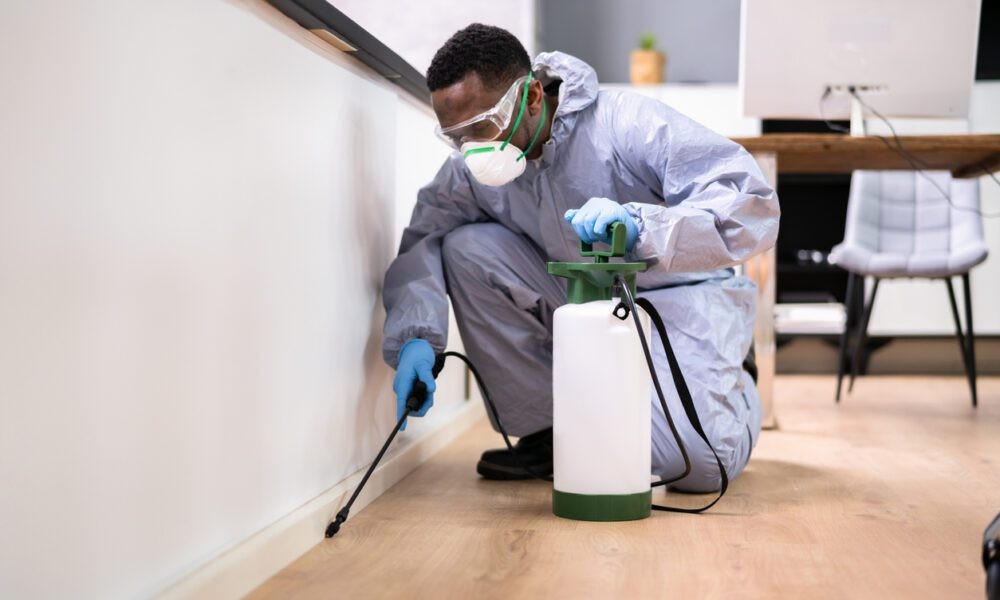
When the source is in the yard, spraying the kitchen will not address it. Treatment should focus on the places where the cockroaches hide, including irrigation and water meter boxes, cracks in hard surfaces, and the base of block walls.
Start with the spots around the house where roaches are most likely to settle. Clear away leaves and old wood, cut back plants that have grown against the walls, and check whether the sprinklers are soaking the pavement or foundation. Those changes can make the yard less appealing to Turkestan cockroaches. Akela Pest Control can treat the outdoor hiding spots and check the walls and entry points for places the roaches are using to get inside. If bait is part of the treatment, give it time to work. You may still see a few roaches for several days afterward.