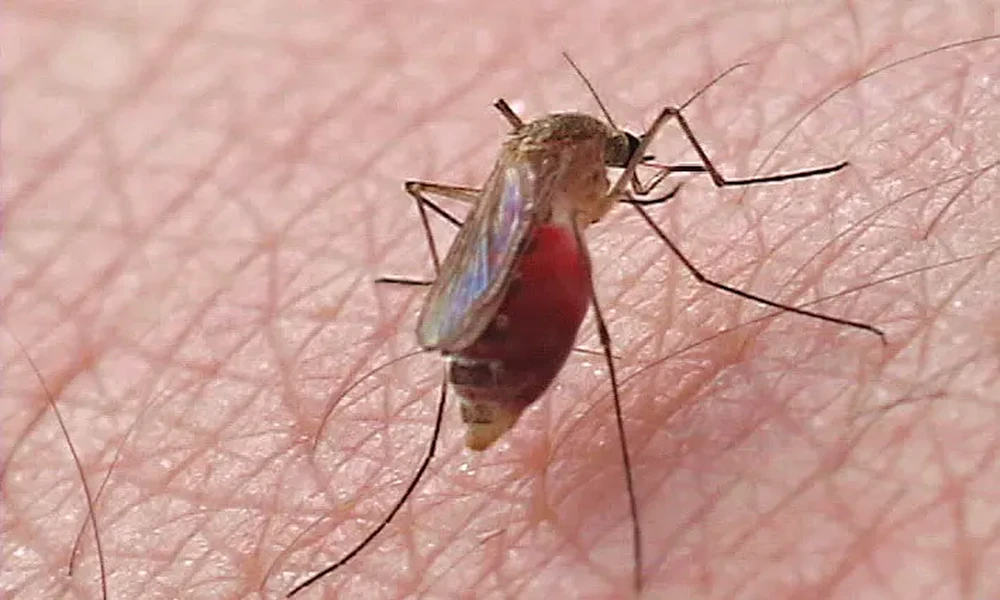
Clermont sells itself on the outdoors. The rolling hills draw cyclists and Olympic rowers, the Chain of Lakes anchors weekend afternoons, and Waterfront Park on Lake Minneola hums from sunrise on. But the same warm, water-laced landscape that makes the city attractive to athletes and families also sustains one of Florida’s most stubborn nuisances. For a community built around being outside, this is not a minor irritation. Many homeowners put effort into the fight, but fall short because the advice guiding them is mistaken.
Getting the facts straight can decide whether you linger on the patio at dusk or surrender the evening to the bites. Effective mosquito control in Florida begins with discarding the assumptions that sabotage the effort. The misconceptions below cost Clermont homeowners the most.
Mistake One: Blaming the Lake
Living near Lake Minneola or Minnehaha, it is tempting to treat the shoreline as ground zero. But large, open, fish-stocked lakes produce few mosquitoes, since moving water and hungry predators keep larvae in check. The dark, tannic waters that define the Chain of Lakes are rarely to blame. The real breeding grounds sit closer to the back door, in the forgotten containers, clogged gutters, and low spots where runoff from those celebrated hills gathers and goes stagnant.
Mistake Two: Trusting Gadgets to Do the Work
Many tempting gadgets line the store shelves, but most accomplish very little. Consider what these popular tools can accomplish:
- Bug zappers. These electrocute mostly harmless moths and beetles while barely denting mosquito numbers.
- Citronella candles and torches. These mask a small radius briefly, then fade.
- Ultrasonic phone apps. These do not have measurable effect whatsoever.
- Standalone foggers. These knock down adults for an hour but ignore the larvae waiting to replace them.
Spraying the air at dusk targets the visible half of the problem and skips the half that matters more. For every mosquito buzzing the porch, dozens of larvae may be maturing in nearby standing water. The adults themselves spend the heat of the day resting in cool, shaded foliage. A serious program treats these daytime harborage zones and eliminates larval water in tandem, breaking the cycle instead of swatting at its tail end.
This is where professional precision can help. Avata Pest Control leans on entomologist-informed timing and product selection, placing treatments where and when they interrupt the mosquito life cycle. Equally valuable for many households, the same familiar local technician returns visit after visit, coming to know a property’s shaded corners and water-prone pockets well enough to anticipate a problem before it builds.
Mistake Four: Treating Only in Peak Summer
Northern transplants often assume mosquito season ends with the first cool snap. Clermont’s mild winters say otherwise. Daytime warmth and intermittent rain keep standing water viable through much of the year, letting populations rebound the instant conditions soften. Suspending treatment from October through March hands the next generation an uncontested head start, and by the time the bites resume in spring, the colony is already well established. Year-round attention outperforms a summer-only scramble.
Mistake Five: Assuming Every Mosquito Behaves Alike
Treating every mosquito as identical sends your defenses in the wrong direction. The aggressive daytime biter harassing the kids in the yard is frequently the Asian tiger mosquito, a container-breeder that matures in water not deeper than a bottle cap. The one droning around at dusk is a different species altogether, with its own habits and hiding places. Because their breeding sites and active hours diverge sharply, a blanket tactic inevitably leaves openings. Recognizing which species dominates a given property influences everything from where to search for larvae to when treatment should land.