Shop for new shingles in hail country and you will quickly run into the phrase “Class 4 impact resistant.” It sounds like the answer to every storm worry, and it often comes with talk of insurance savings. Some of that is true and some of it needs fine print. Rather than a sales pitch, here is a plain report card on what the rating means, what it protects, what it costs, and who benefits most.
The rating itself
Class 4 comes from a laboratory test known as UL 2218, which grades roofing materials from Class 1 up to Class 4 for resistance to impact. In the Class 4 test, the material has to withstand a two inch steel ball without cracking or splitting. That is a standardized stand in for large hail, and Class 4 is the highest grade.
One caution: the label matters. A brochure that says “impact resistant” is not the same as a product that carries the UL 2218 Class 4 classification on its packaging. Ask to see the actual classification, not just the marketing language.
Hail protection: strong, but not hailproof
A Class 4 shingle is built to hold up better than a standard shingle under the same hit, which can mean fewer cracks, fewer leaks, and a longer life for the roof in a hail prone area. It does not make a roof immune. Very large hail, high winds, or repeated storms can still cause damage, and bruising or granule loss can still happen.
The product is only half the story. A Class 4 shingle installed over weak decking or with poor flashing will not perform the way the test suggests. When you talk to a DeSoto roofing company, ask them to show you the product’s UL classification, explain how the whole roof system is installed, and describe what the manufacturer’s warranty does and does not cover for hail. A contractor who can answer those questions clearly is more useful than one who simply promises hail protection.
Insurance: possible savings, with fine print
This is where Texas homeowners often get interested. The Texas Department of Insurance explains on its roofing discounts page that roof coverings that pass the UL 2218 test are classified from Class 1 to Class 4, that a Class 4 covering earns the highest premium credit, and that the amount of the discount is set company by company. It also says the covering must be tested by an approved laboratory.
In practice, that means the savings depend on your insurer, so the right move is to ask before you buy. Questions worth asking:
- Does my policy offer a credit for a Class 4 roof, and how much is it?
- What paperwork do you need from the contractor to apply it?
- Does the credit require an endorsement that excludes cosmetic damage?
That last question matters. Some policies attach a cosmetic damage exclusion to the discount, which means dents or surface marks that do not cause leaks may not be covered. Make sure you understand the trade before you accept it.
Cost: higher up front
Class 4 products generally cost more than standard shingles, and the difference shows up in the total. Whether it pays off depends on three things: the size of any insurance credit, how often hail strikes your area, and how long you plan to stay in the house. If you expect to stay a decade or more in an area with regular storms, the math tends to look better. If you may sell soon, the upgrade may matter less.
Ask contractors to price both a standard option and a Class 4 option on the same scope, so you can compare the real difference. Then ask your insurer how much the discount would be, and weigh it against the extra cost over the years you expect to own the home.
Appearance and installation
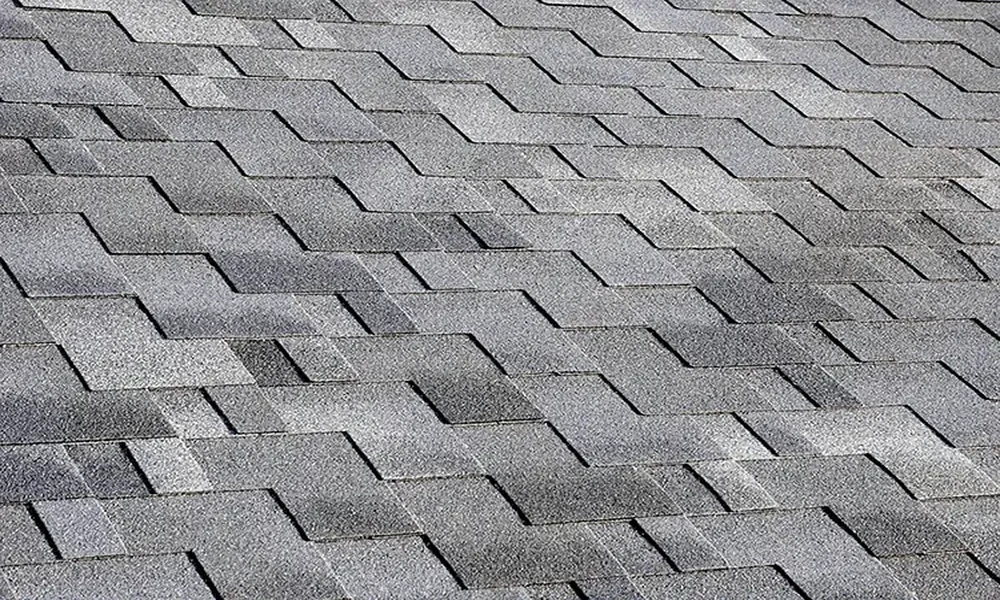
Modern impact resistant shingles come in a range of colors and profiles, and many look much like conventional architectural shingles. Some are thicker or heavier, and installation details matter, such as nailing patterns, underlayment, and ridge treatment. Ask the contractor whether the manufacturer requires specific installation methods to keep the warranty valid, and whether the crew has experience with the product.
Look at samples in daylight and, if you can, visit a finished roof. Color can look different on a full roof than on a small sample board.
Who it makes sense for
Class 4 shingles make the most sense for homeowners in hail prone areas who plan to stay put, whose insurers offer a meaningful credit, and who want fewer repairs after storms. They make less sense if your insurer offers no discount, the upfront cost strains your budget, or you plan to move soon. There is no single right answer, only the one that fits your numbers and your risk.
The final grade
Class 4 shingles earn solid marks for impact resistance, mixed marks on insurance, and an honest incomplete on value until you see your own quotes. The rating is real and tested, but it is not a guarantee against damage, and the financial benefit depends on your insurer’s rules and your plans for the home.
Before you decide, confirm the UL classification on the actual product, ask your insurance company exactly what discount applies and what conditions come with it, compare written quotes for both standard and Class 4 options, and choose a contractor who can explain the whole roof system, not just the shingle. Do that, and you will make the decision based on facts instead of the fear that follows a hailstorm, which is the best way to choose a roof you will live under for years.