In Devon, where homes range from historic cottages to modern coastal builds, interior comfort is shaped by more than light and layout. Sound plays a powerful yet often underestimated role in how a space feels. Wall surfaces, in particular, strongly influence how sound travels, reflects, and settles within a room.
When echo and reverberation are poorly managed, they can subtly increase stress and mental fatigue. Thoughtful wall design, however, can help Devon homeowners create calmer, acoustically balanced living environments.
The Link Between Sound, Echo, and Stress
Sound reflection occurs when audio waves bounce off hard surfaces instead of being absorbed. In Devon homes, especially those with open-plan layouts or high ceilings, this reflection can lead to persistent echo. While not always consciously noticed, constant reverberation can overstimulate the nervous system.
Research in environmental psychology shows that excessive background noise and echo can contribute to:
- Heightened stress responses
- Reduced concentration and productivity
- Increased irritability during conversations
- Difficulty relaxing in shared living spaces
Why Wall Surfaces Matter Most
Walls account for the largest uninterrupted surface area in most rooms, making them the primary controllers of sound behaviour. Floors and ceilings also play a role, but wall finishes largely determine whether sound is reflected, absorbed, or diffused.
In Devon properties, wall surfaces influence acoustics in several ways:
- Reflective walls amplify noise and prolong echo
- Absorptive walls dampen sound and shorten reverberation
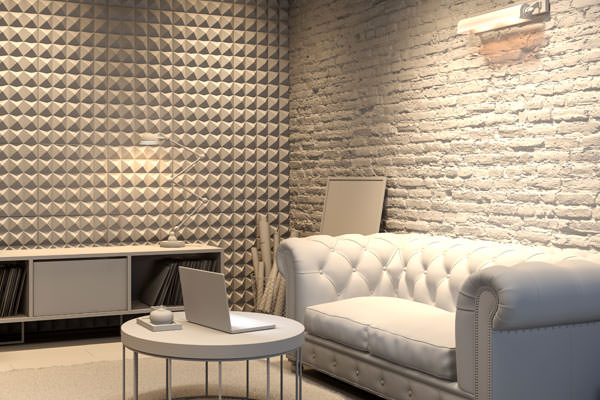
- Textured walls scatter sound, reducing sharp reflections
Common Wall Finishes and Their Acoustic Impact
Different wall materials commonly found in Devon homes interact with sound differently:
Painted plaster or drywall
- Highly reflective
- Increases echo in busy rooms
- Best suited to spaces already rich in soft materials
Wallpapered walls
- Offers mild sound absorption
- Textured or fabric-backed wallpaper improves diffusion
- Popular in Devon bedrooms and lounges
Wood panelling or cladding
- Reflects sound but softens harsh frequencies
- Adds warmth while maintaining acoustic control
- Effective in dining rooms and studies
Fabric wall coverings
- Strong sound absorption
- Reduces background noise and echo significantly
- Ideal for home offices and media rooms
Acoustic Comfort in Devon’s Home Styles
Devon architecture often includes stone walls, large windows, and open interiors, all of which can intensify sound reflection. While visually appealing, these features may require acoustic counterbalance.
In coastal Devon homes, hard surfaces are frequently chosen for durability, making wall treatments especially important. In rural Devon cottages, thick walls can trap sound internally, causing unexpected echo in smaller rooms. Tailoring wall finishes to the property’s structure helps maintain acoustic comfort without altering character.
Stress-Reducing Design Through Wall Choices
Balanced acoustics support mental wellbeing by creating predictable, calm sound environments. In Devon homes, effective wall design can:
- Improve speech clarity during family interactions
- Reduce noise fatigue in shared living areas
- Support deeper relaxation and better sleep
- Enhance focus in remote working spaces
Rooms that feel acoustically calm are often perceived as warmer, more welcoming, and emotionally restorative.
Practical Wall Design Strategies for Devon Homes
Homeowners across Devon can improve room acoustics through simple, design-conscious choices:
- Use textured wallpapers or finishes instead of flat paint
- Install decorative acoustic panels that blend with interior style
- Place bookcases or shelving along large bare walls
- Combine hard walls with fabric elements such as wall hangings
- Match wall surface choices to the room’s primary function
Final Conclusion
Wall surfaces play a decisive role in how sound behaves within a room and how that sound affects stress levels. In Devon homes, where comfort and calm are closely tied to quality of life, acoustic-aware wall design is an essential consideration.
By selecting wall finishes that manage echo and soften sound, homeowners can create interiors that support both mental wellbeing and everyday living, blending visual appeal with acoustic harmony.