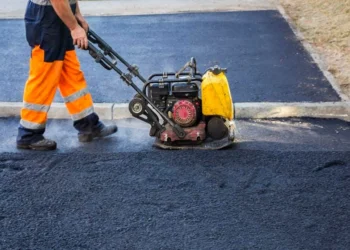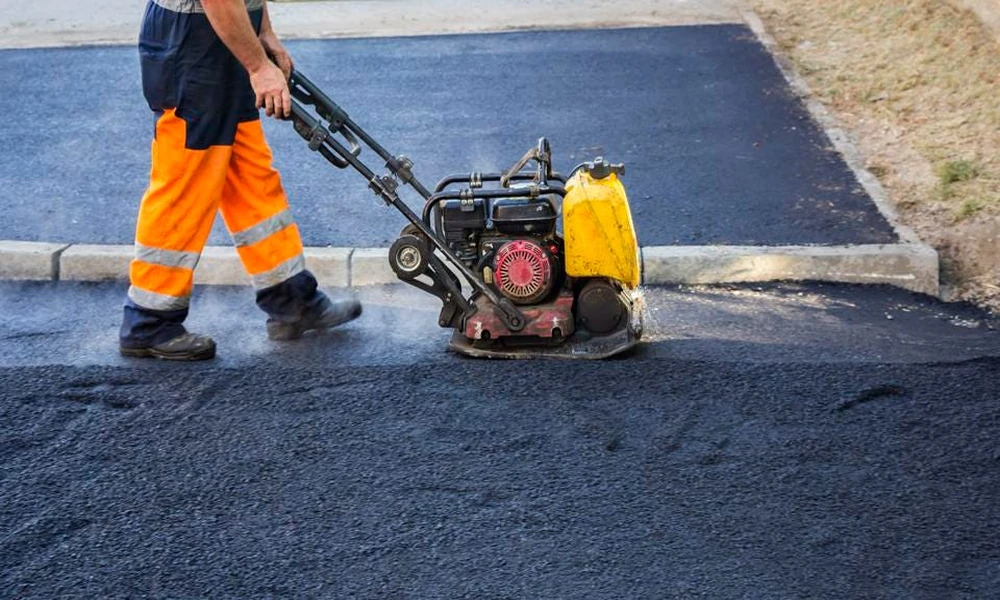
Commercial asphalt pavement supports safe and efficient access for customers, employees, and vehicles. Daily traffic, weather, and moisture gradually wear down the surface. Preventive maintenance helps minimize damage, extend pavement lifespan, reduce repair costs, and keep commercial properties safe, functional, and visually appealing.
Many facility managers also rely on a comprehensive Property Owners Protect Asphalt Pavement Guide to better understand how routine inspections, timely repairs, and scheduled maintenance work together to preserve asphalt surfaces. Following proven maintenance practices helps property owners identify potential problems before they become costly, ensuring parking lots and driveways remain safe, durable, and visually appealing while reducing long-term maintenance expenses.
Conduct Regular Pavement Inspections
Regular pavement inspections make it easier to spot minor damage before it develops into more serious issues. Checking the surface a few times each year, particularly after periods of heavy rain or significant seasonal weather changes, allows property managers to schedule timely maintenance and avoid costly repairs.
Look for common issues such as:
- Small cracks forming on the surface
- Potholes or depressions
- Standing water after rain
- Fading pavement markings
- Loose or crumbling edges
Addressing these concerns early reduces repair expenses and prevents further damage.
Sealcoat the Surface Periodically
Sealcoating adds a protective layer that shields asphalt from sunlight, rain, oil spills, and vehicle fluids. It also restores the pavement’s dark appearance, improving the property’s overall curb appeal.
Most commercial parking lots benefit from sealcoating every two to three years, although the schedule may vary depending on traffic volume and local climate conditions.
Repair Cracks Without Delay
Even small cracks allow water to seep beneath the asphalt surface. Once moisture reaches the base layers, it weakens the pavement and increases the risk of potholes.
Prompt crack sealing helps:
- Prevent water infiltration
- Reduce structural damage
- Extend pavement life
- Lower long-term repair costs
Treating cracks early is far more affordable than repairing widespread pavement failure.
Keep the Surface Clean
Regular cleaning prevents dirt, debris, leaves, and chemicals from damaging the asphalt. Oil, fuel, and other automotive fluids can gradually soften the surface if left untreated.
A consistent cleaning routine should include:
- Sweeping away debris
- Removing weeds from cracks
- Cleaning oil or fuel stains promptly
- Keeping drainage channels free of debris so water can flow away properly.
A clean pavement not only lasts longer but also creates a positive impression on visitors.
Ensure Proper Drainage
Water is one of the biggest threats to asphalt pavement. Poor drainage allows moisture to remain on the surface, increasing the likelihood of cracks and structural deterioration.
Keep gutters, storm drains, and drainage channels free of debris so rainwater flows away efficiently. If water regularly pools in certain areas, professional grading or drainage improvements may be necessary.
Manage Heavy Vehicle Traffic
Commercial properties that receive frequent truck traffic should monitor areas exposed to heavy loads. Loading docks, delivery entrances, and turning points often experience faster wear than other sections.
Installing protective measures, limiting unnecessary heavy vehicle access, and repairing stressed areas promptly can help maintain the pavement’s structural integrity.
Schedule Professional Preventive Maintenance
Regular preventive maintenance helps commercial asphalt pavement remain durable, attractive, and safe for daily use. Addressing minor issues before they worsen reduces repair costs, extends pavement lifespan, and improves the overall appearance of the property, creating a safer and more professional environment for customers, employees, and visitors.