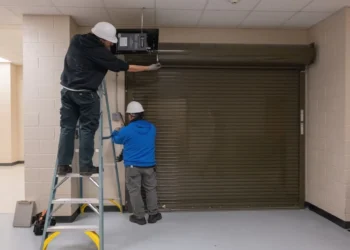
The decision most households get wrong is not whether to repair or replace. It is how long they wait. An appliance that is making a new noise, tripping a breaker occasionally or running warmer than it should is giving notice, and the window in which the fix is cheap closes quietly. Knowing when to call an appliance service technician rather than watching a symptom for another month is what keeps the eventual bill small.
Symptoms That Mean Call Now
Some faults are urgent regardless of how well the appliance still seems to work. Any burning smell or scorch mark near a plug, cable or control panel. Any appliance that trips a residual current device or circuit breaker, which indicates a current leak rather than a nuisance. Water pooling around a washing machine or refrigerator. A gas smell near a hob or oven, which means shut off the supply, ventilate and call immediately. In these cases stop using the appliance and disconnect it rather than continuing while you arrange an appointment.
Symptoms Worth Attending To Soon
A refrigerator running constantly or feeling warmer than usual. A washing machine that has begun vibrating heavily or leaving clothes wetter than before. An oven that takes noticeably longer to reach temperature. A dishwasher leaving residue it never used to. An air conditioner that has become gradually less cold. None of these are emergencies, and all of them indicate a component moving out of specification. Attending to them within a few weeks generally means a part rather than an appliance.
What You Can Reasonably Check First
A handful of checks resolve a meaningful proportion of callouts and cost nothing. Confirm the appliance has power and the plug is switched on, and check the breaker. Look for a full or blocked filter in a washing machine, dishwasher or air conditioner. Check that a refrigerator door is sealing and that vents inside are not blocked by packed food. Confirm the drain hose is not kinked. Clear the lint filter in a dryer. Beyond these, opening an appliance is a job for someone with the right equipment.
When Repair Makes Sense
Three factors decide it. Age relative to the appliance’s typical service life, the repair cost against a replacement, and whether this is a first fault or the third in two years. A common rule of thumb is that a repair costing more than about half the price of a replacement, on an appliance well into its expected life, is not worth doing. A younger appliance with a single failed component is almost always worth repairing, and often for a modest sum.
When Replacement Is the Better Call
Compressor failure in a refrigerator, a failed drum bearing in a washing machine, or a cracked outer tub are the classic cases where the labour involved pushes the cost close to replacement value. Efficiency matters too: an air conditioner or refrigerator more than a decade old consumes meaningfully more electricity than a current model, and in a household running air conditioning nightly that difference is not trivial across the remaining years.
Choosing Who to Call
For an appliance still under warranty, use the authorised service channel, since independent repair may void remaining cover. Outside warranty, an established independent appliance repair service is usually faster and less expensive. Either way, ask whether there is a callout or diagnostic fee and whether it is waived if you proceed with the repair, whether parts are genuine or compatible equivalents, and what warranty covers the work and the part.
Describe the Fault Properly
Technicians diagnose from information, and a good description shortens the visit and reduces the chance of a second one. Note the brand, model and approximate age from the rating plate, usually inside a door or on the rear. Describe exactly what happens and when, whether it is constant or intermittent, what changed recently, and any error code displayed. Record noises on a phone. This is the single most useful thing a customer can do before an appointment.
Preparing for the Visit
Clear access to the appliance and to the space behind or beneath it. Empty a refrigerator or freezer if the visit may involve moving it. Ensure someone will be present who can describe the fault, since a family member who has not seen the symptom cannot answer the questions that matter. Have the model number to hand. If parts may be required, ask in advance whether they are typically stocked, since a second visit is usually about parts availability rather than diagnosis.
Commercial Premises Have Different Stakes
For a restaurant, a retail unit or a childcare centre, an appliance failure is a business interruption rather than an inconvenience. A walk-in chiller losing temperature puts stock and food safety at risk within hours, and a failed dishwasher in a busy kitchen stops service. The response is different accordingly, a maintenance agreement with defined response times, scheduled servicing rather than reactive callouts, temperature monitoring on refrigeration, and a known contact who already understands the equipment on site. The cost of that arrangement is almost always smaller than the cost of one unplanned day of disruption.
Habits That Reduce Callouts
Clean filters on schedule in washing machines, dishwashers, dryers and air conditioners. Do not overload machines. Leave clearance around a refrigerator so it can shed heat. Wipe door seals and check they close cleanly. Address a small symptom rather than adapting to it. Most appliances fail progressively, and the households that spend least are the ones that call an appliance service technician when the machine first sounds different rather than when it finally stops.