Tulsa lies in the northeastern corner of Oklahoma, a region known as Green Country for its wetter climate and heavier tree cover. The Arkansas River passes through the city, while nearby low-lying ground stays damp enough to support pest activity for much of the year. Tulsa averages close to 41 inches of rain a year, and most of it falls in heavy storms during spring and early summer. Warm, humid air follows those storms and lingers into fall. This long period of heat and moisture gives insects and rodents more time to breed and more places to find water near homes. The tree cover and frequent rain of Green Country trap humidity close to the ground, which extends the comfortable range for pests well beyond the peak of summer.
The best pest control Tulsa, OK accounts for this extended season. A short treatment window suits a place with a hard winter, but Tulsa’s mild, damp conditions keep many pests active far longer. Treating a home on a schedule that matches the local climate holds pest numbers down through the months when they would otherwise build.
How the Arkansas River Corridor Feeds Mosquito Breeding
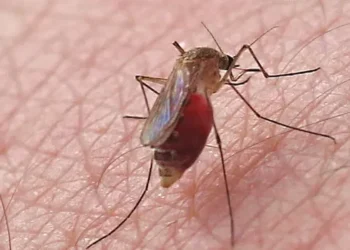
The river and its low floodplain can retain water long after storms have passed. Mosquitoes need only a small amount of standing water to breed, and the corridor supplies it in ditches, backwaters, and saturated ground. Storm drains, clogged gutters, and shaded yard corners near the river hold water too. Because Tulsa’s warm season runs long, mosquitoes can produce several generations before cooler weather slows them. In the heat of a Tulsa summer, larvae can mature into biting adults in as little as seven to ten days, so a pool left alone for a week is enough to start a new batch. Homes closest to the river and its feeder creeks often face the heaviest mosquito pressure.
Why Humid Air Keeps Roaches and Ants Active Longer
Humidity does more than make summers uncomfortable. Cockroaches and ants depend on moisture, and Tulsa’s damp air lets them stay active well past the point where drier climates push them back. American cockroaches move between sewers, drains, and homes during warm, wet spells. Ants send foraging trails indoors after heavy rain floods their outdoor nests. The longer the humid season lasts, the more time these pests have to build colonies close to or inside a house. German cockroaches, common in kitchens and bathrooms, reproduce fastest in these warm, damp conditions and can build large indoor populations before a homeowner notices.
The Standing Water Homeowners Miss After Storms
Tulsa’s spring and summer storms drop rain quickly, and water collects in spots that are easy to overlook. Plant saucers, tarps, toys, clogged gutters, and low areas in a lawn can each hold water for days. Every one of these becomes a breeding site during the warm months. Walking a property after each storm and emptying standing water removes many of these sites. This one step lowers the number of mosquitoes and other moisture-loving pests around a home. Checking gutters and downspouts is worth the effort, since a single clogged run can pool water along a roofline for the whole season.
How Tulsa’s Mild Winters Stretch the Cycle Further
Tulsa winters bring cold spells, but they stay mild next to states farther north. Many pests slow down without dying off. Cockroaches and rodents move indoors and keep breeding in heated spaces. Overwintering insects shelter in wall voids and attics, then return when the weather warms. Because the cold season is short and broken by warm stretches, pest populations recover quickly once temperatures climb. This pattern shortens the break a homeowner gets between active seasons. A warm week in January can briefly revive activity that a homeowner assumed had ended for the year.
Why a Longer Season Calls for Ongoing Treatment
A treatment fades before Tulsa’s warm season ends. Palisade Pest Control treats the yard, perimeter, and known water-holding spots on a recurring schedule. Its plans can add mosquito service through the months when pressure peaks. Regular visits let a technician find new breeding sites and treat them before populations grow. For a Tulsa home shaped by river humidity and a long warm season, consistent service keeps pests from taking hold when conditions favor them most. Routine inspection also gives an early warning, so a small problem gets attention before it grows into an infestation.