Designing interiors that actively support mental and sensory well-being has become an increasing priority in residential planning. In Powys, where homes often balance rural tranquillity with modern living demands, tactile décor offers an effective way to reduce sensory overload.
By intentionally introducing soft texture zones, interior environments can feel calmer, more grounded, and better suited to everyday comfort.
Understanding Sensory Overload in Interior Spaces
Sensory overload occurs when the nervous system is overwhelmed by excessive visual, auditory, or physical stimuli. Hard surfaces, sharp lighting, and uniform textures can unintentionally intensify stress responses. In Powys homes, particularly those adapting older properties or stone-built structures, thoughtful tactile design can soften these effects and create more restorative living environments.
Soft texture zones act as sensory buffers, allowing occupants to decompress physically and emotionally within their own homes.
The Role of Soft Texture Zones in Tactile Décor
Soft texture zones are defined areas within a space that prioritise comfort through touch. These zones provide relief from rigid surfaces and constant stimulation, supporting both relaxation and functional living.
Key characteristics include:
- Materials that cushion contact and reduce physical tension
- Textures that feel reassuring rather than demanding attention
- Surfaces that invite interaction without overwhelming the senses
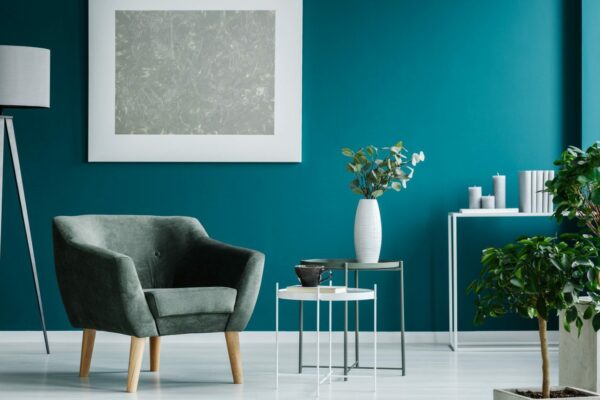
Materials That Promote Sensory Calm
The selection of materials is central to the success of tactile décor. Soft textures should feel natural, breathable, and adaptable to seasonal changes common in Powys.
Effective materials include:
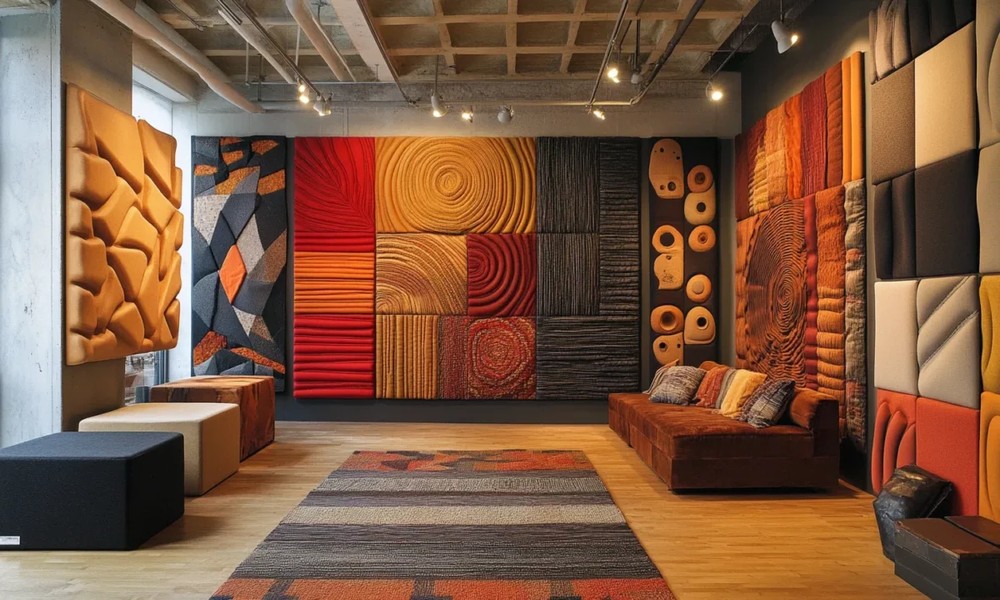
- Wool and felt for upholstery, throws, and wall panels, offering warmth and acoustic softness
- Linen and cotton for seating and soft furnishings, providing gentle texture without heaviness
- Timber with smooth finishes that feel warm to the touch while maintaining structural character
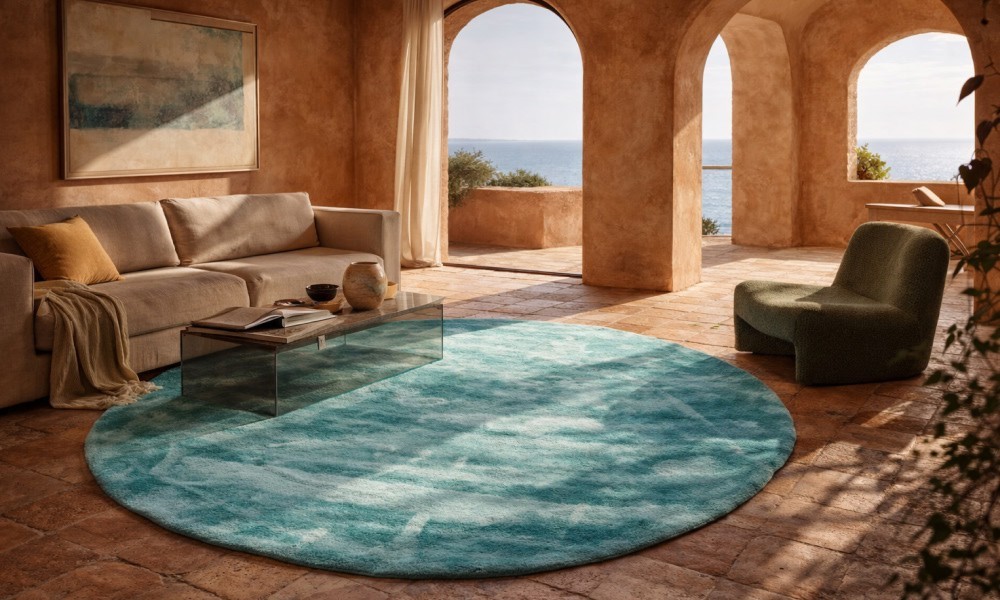
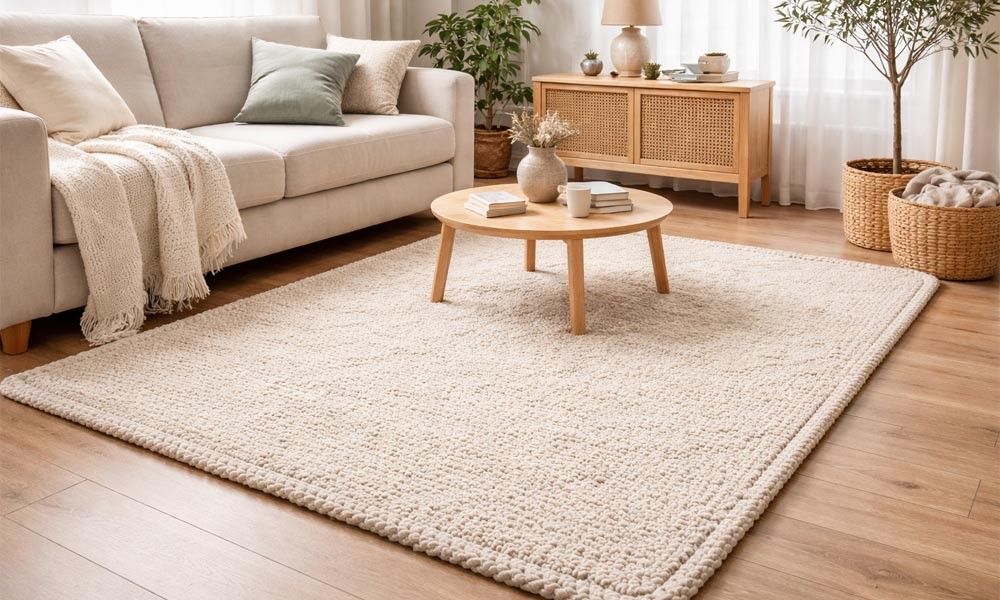
- Woven rugs and layered textiles that reduce footfall noise and visual harshness
Creating Soft Zones Within Everyday Living Areas
Soft texture zones do not require full room redesigns. Instead, they can be integrated subtly into existing layouts, enhancing function without disrupting flow.
Common applications include:
- Living rooms: Upholstered seating, textured cushions, and soft rugs define relaxation areas
- Bedrooms: Layered bedding, padded headboards, and fabric wall treatments promote restorative rest
- Reading or retreat corners: Armchairs with tactile throws create intentional calm zones
- Children’s spaces: Cushioned floor areas provide sensory safety and emotional reassurance
Visual Softness and Low-Stimulation Surfaces
Tactile comfort extends beyond touch to visual perception. Matte and low-sheen finishes complement soft textures by reducing glare and visual strain.
Design strategies include:
- Using muted, earthy colour palettes inspired by Powys’ countryside
- Choosing plaster, clay-based paints, or soft-touch wall finishes
- Avoiding excessive contrast or reflective surfaces in rest-focused areas
Emotional Benefits of Tactile Design
Soft texture zones support emotional well-being by creating environments that feel safe and responsive. Physical comfort directly influences stress levels, mood stability, and the ability to unwind.
Benefits include:
- Reduced sensory fatigue after long or demanding days
- Improved relaxation and sleep quality
- Greater emotional regulation in shared living spaces
Designing With the Powys Landscape in Mind
Powys’ rolling hills, woodlands, and natural materials provide a rich design reference for tactile interiors. When soft texture zones echo these surroundings, interiors feel more coherent and grounded.
Designers often draw on:
- Natural fibres that reflect local textures
- Layered materials that mirror outdoor depth and variation
- Calm, neutral tones that complement changing light conditions
Final Words
Tactile décor, when structured through intentional soft texture zones, plays a vital role in calming sensory overload within Powys homes. By combining natural materials, visual softness, and thoughtfully placed comfort areas, interiors become more supportive of physical ease and emotional balance.
These environments do more than look inviting; they actively contribute to well-being, making everyday living in Powys quieter, gentler, and more restorative.