Modern interior design is increasingly influenced by neuroscience, giving rise to the concept of neuromorphic decor. This approach aligns interior environments with natural brainwave patterns to support comfort, focus, and emotional balance.
In Cumbria, where homes often bridge traditional character with contemporary living, neuromorphic decor offers a thoughtful way to design interiors that genuinely support mental well-being.
Understanding Brainwave Comfort Zones
The human brain operates through different brainwaves, alpha, beta, theta, and delta, each associated with specific mental states such as calmness, alertness, creativity, or deep rest. Neuromorphic decor focuses on creating spaces that gently encourage the desired brainwave state for each room.
In Cumbria homes, this approach is particularly valuable due to varying lifestyle needs, from remote working in rural settings to creating restorative environments after long commutes or outdoor labour.
Key principles include:
- Minimising visual stress
- Encouraging natural sensory rhythms
- Supporting emotional regulation through spatial design
Colour Psychology and Neural Response
Colour plays a direct role in influencing brainwave activity. Neuromorphic interiors in Cumbria often draw inspiration from the surrounding landscape, fells, lakes, and woodlands, to promote neural calm.
Effective colour strategies include:
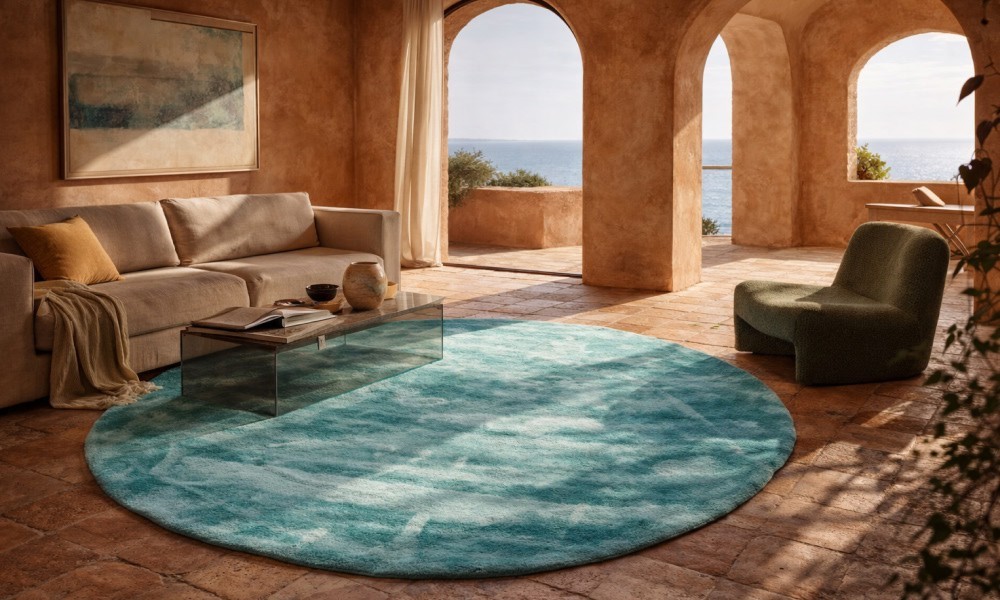
- Soft greens and muted blues to encourage alpha waves associated with relaxation
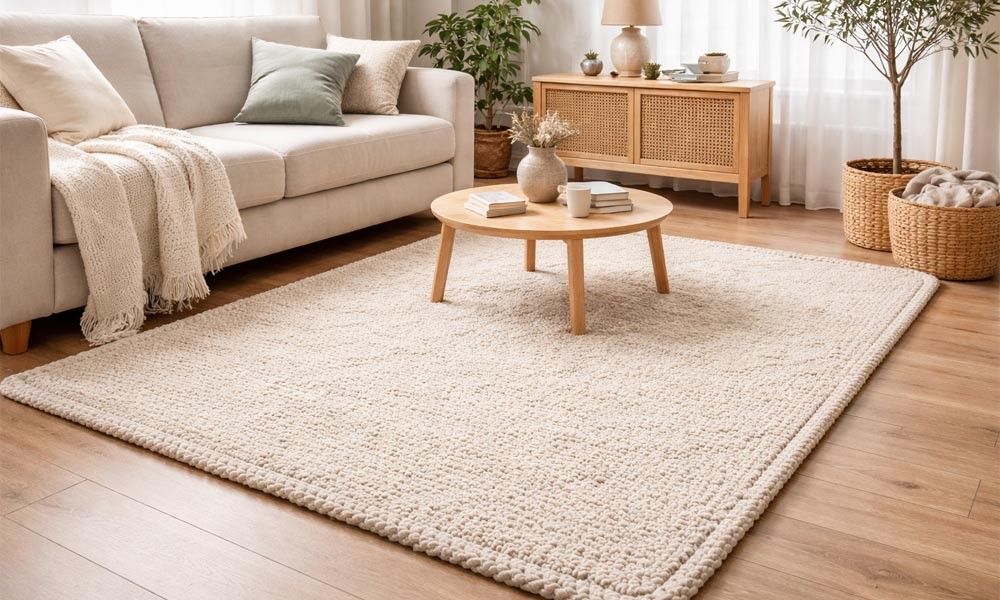
- Warm neutrals for grounding and emotional stability
- Avoidance of harsh contrasts that overstimulate beta wave activity
These choices are particularly effective in living rooms and bedrooms across Cumbria, where tranquillity is often a priority.
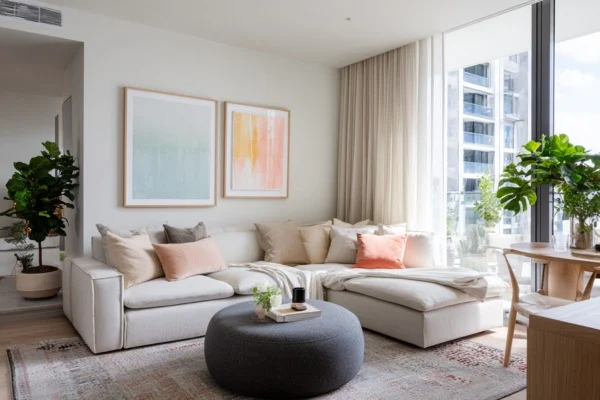
Spatial Flow and Cognitive Ease
Neuromorphic decor places strong emphasis on how the brain perceives movement through space. Poorly planned layouts can trigger cognitive fatigue, while intuitive flow supports mental clarity.
In Cumbria properties, especially older homes with unique layouts, thoughtful spatial adjustments can improve comfort:
- Clear pathways that reduce subconscious stress
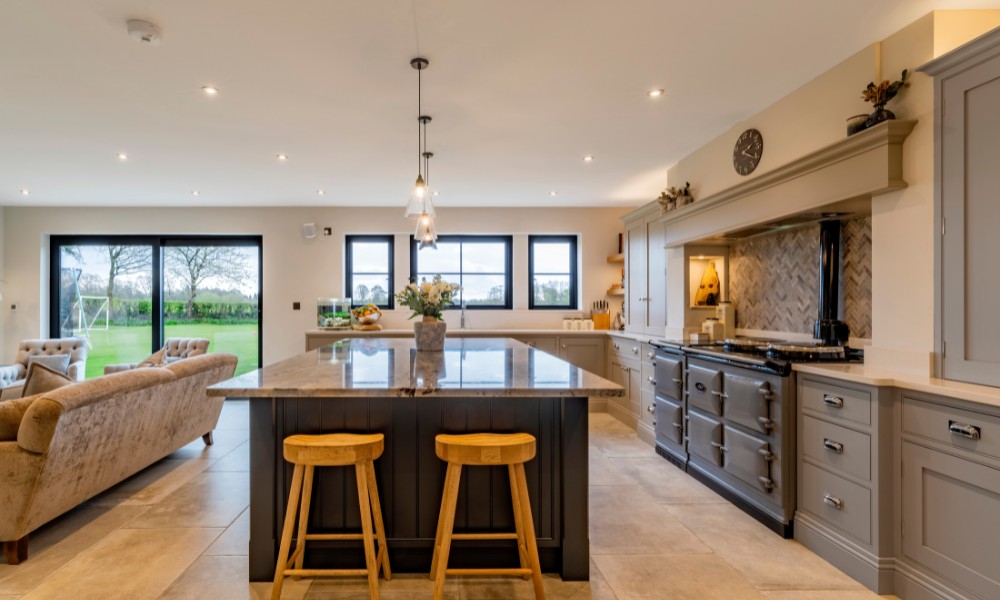
- Defined zones for work, rest, and social interaction
- Balanced proportions to avoid feelings of confinement or overstimulation
This approach supports smoother transitions between mental states throughout the day.
Texture, Materials, and Sensory Feedback
The brain continuously processes tactile information. Neuromorphic interiors in Cumbria favour materials that provide calming sensory feedback without distraction.
Commonly used elements include:
- Natural wood finishes to support grounding sensations
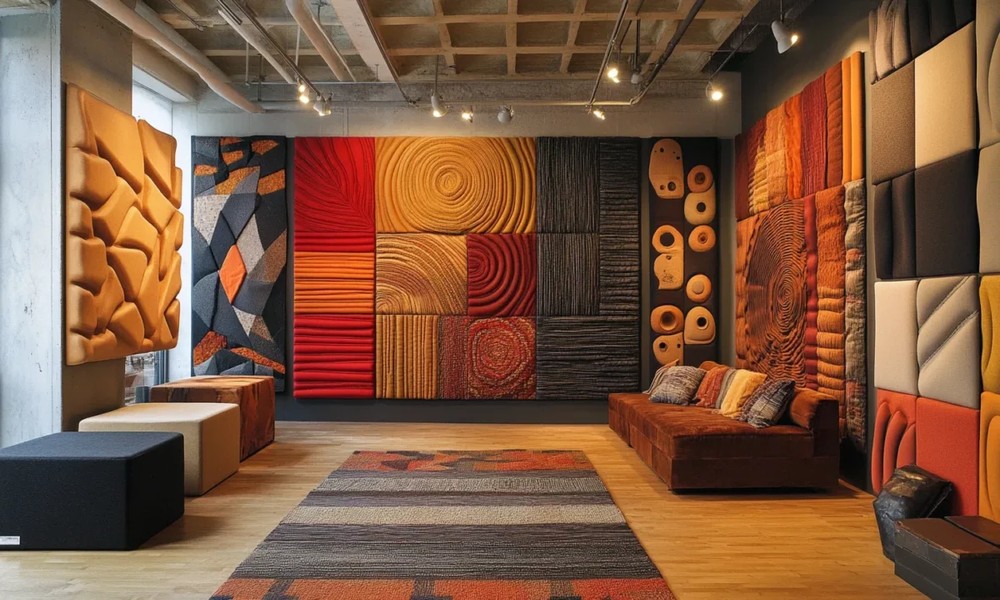
- Soft textiles that absorb sound and reduce neural agitation
- Stone and clay textures that echo the local Cumbrian environment
These materials help regulate sensory input, particularly in spaces designed for relaxation or sleep.
Lighting Design and Brainwave Regulation
Lighting is one of the most powerful tools in neuromorphic decor. In Cumbria, where natural light levels can vary significantly, lighting design must support circadian rhythms and mental balance.
Effective strategies involve:
- Maximising daylight exposure during waking hours
- Using warm, diffused lighting in the evening to encourage theta and delta waves
- Avoiding excessive glare or cold artificial light that disrupts neural comfort
Such adjustments are especially valuable in bedrooms and home offices across the region.
Neuromorphic Decor in Everyday Cumbrian Living
Applying neuromorphic principles does not require radical redesign. In Cumbria homes, subtle adjustments often yield meaningful results:
- Rearranging furniture to improve visual harmony
- Introducing nature-inspired elements
- Reducing unnecessary visual clutter
These changes help align interiors with the brain’s natural comfort zones, supporting long-term well-being.
Final Thoughts
Neuromorphic decor offers a thoughtful way to align interior design with the brain’s natural rhythms, transforming homes into supportive environments rather than sources of sensory strain. By considering colour, lighting, texture, and spatial flow, interiors can actively promote calmness, focus, and emotional balance. In Cumbria, this approach harmonises particularly well with the region’s emphasis on restorative living and connection to nature.
As awareness of mental well-being grows, neuromorphic principles provide practical, human-centred solutions for everyday spaces. When applied sensitively across Cumbria homes, they encourage healthier brainwave patterns, enhancing comfort, resilience, and overall quality of life without compromising aesthetic integrity.