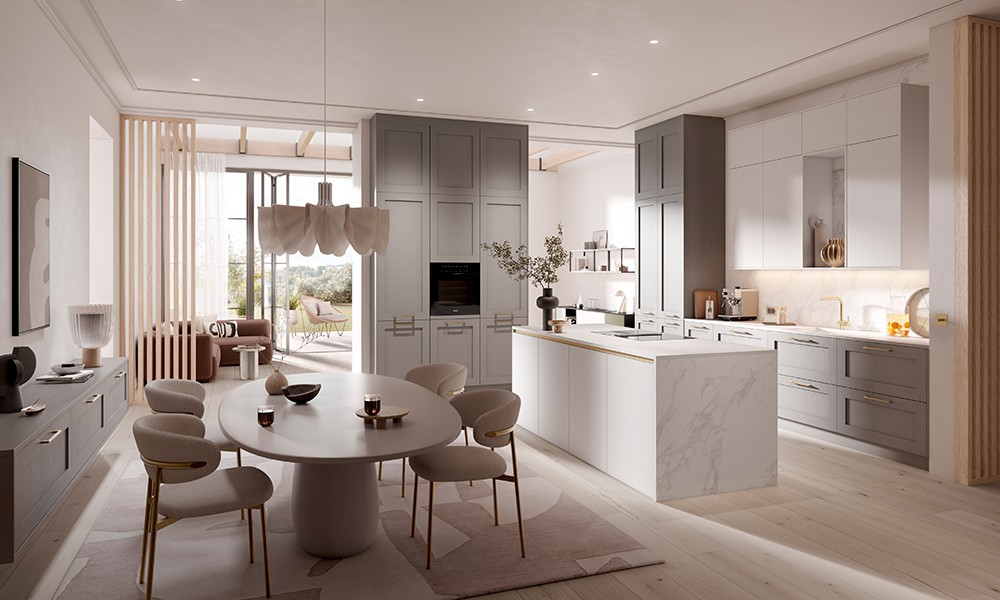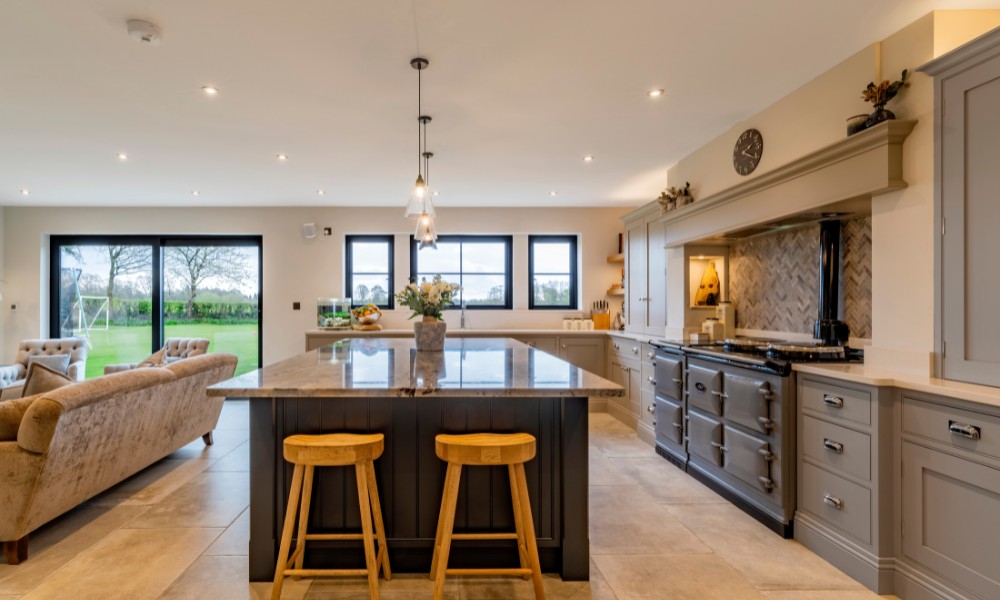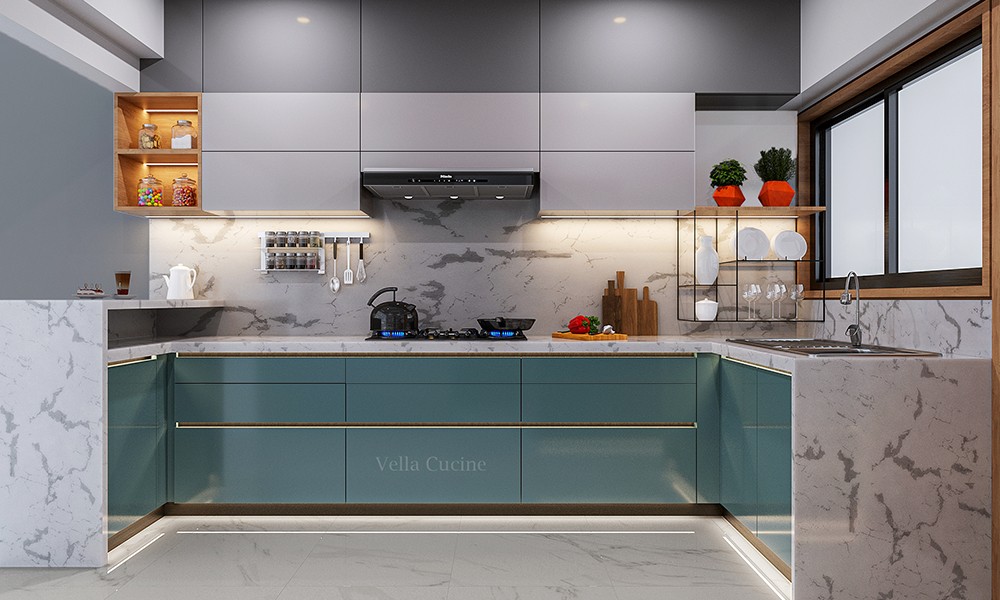
Modern kitchens in Somerset homes are no longer judged only by style and storage. Increasingly, they are being assessed by how they influence stress levels during daily routines. Cortisol, the body’s primary stress hormone, rises when we feel rushed, unsafe, overheated, or overstimulated. Thoughtful kitchen zoning can either amplify these triggers or actively reduce them, shaping how calm or tense meal preparation becomes.
Understanding Cortisol in Daily Domestic Settings
Cortisol is released in response to perceived pressure. In kitchen environments, this pressure often comes from clutter, noise, heat, and poor movement flow. In busy Somerset households, where kitchens double as dining, homework, and social spaces, the layout plays a direct role in emotional regulation.
Common cortisol triggers in kitchens include:
- Overcrowded work surfaces
- Sudden loud appliance noise
- Excess heat from cooking zones
- Poor lighting that strains the eyes
- Constant foot traffic through preparation areas
High-Stress Zones That Elevate Cortisol
Some kitchen areas are more likely to stimulate stress responses, especially in compact Somerset cottages or open-plan modern builds.
The Heat-Intensive Cooking Core
The space around ovens and hobs is naturally warm and active. If ventilation is weak, heat accumulates quickly, raising discomfort and irritability.
Stress intensifiers in this zone:
- Inadequate extractor fans
- Crowded placement of multiple heat sources
- Poor airflow near windows
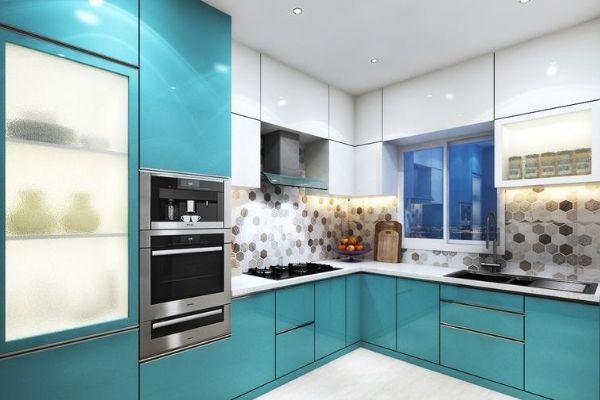
Cluttered Preparation Surfaces
When chopping, mixing, and assembling all occur on limited counters, frustration builds. Searching for utensils mid-task increases mental load.
Cortisol rises when:
- Storage is far from prep areas
- Small appliances occupy most of the counter
- Surfaces are visually cluttered
Traffic Pathways Through Work Zones
In many Somerset family homes, kitchens act as walk-through spaces to gardens or utility rooms. Constant interruptions disrupt focus and increase tension.
Stress is heightened when:
- People pass close behind the cook
- Children and pets cross hot zones
- Seating overlaps with work triangles
Calming Zones That Support Hormonal Balance
Well-designed kitchen zones can lower cortisol by improving predictability, comfort, and sensory control.
Dedicated Prep Stations
A clearly defined preparation area allows the mind to settle into routine. When tools and ingredients are within reach, movements become smoother and calmer.
Benefits include:
- Reduced task-switching
- Faster workflow
- Fewer visual distractions
Cool, Well-Lit Cleaning Areas
Sinks positioned near natural light provide a sense of openness. Cooler temperatures during washing tasks help stabilize body comfort after cooking.
Stress-reducing features:
- Daylight exposure near sinks
- Quiet dishwashers with soft-close cabinetry
- Adequate drainage and splash control
Quiet Storage and Beverage Corners
Tea and breakfast zones, common in Somerset kitchens, create moments of calm when separated from cooking heat and noise.
Soothing elements include:
- Kettles away from hobs
- Soft lighting for early mornings
- Minimal appliance noise
Design Choices That Moderate Cortisol in Somerset Homes
Kitchen materials and layout choices subtly influence stress chemistry.
Helpful design strategies:
- Zoned lighting: Brighter task lighting for prep, softer tones for dining
- Thermal separation: Physical space between cooking and seating
- Natural textures: Wood and stone surfaces reduce visual harshness
- Sound absorption: Rugs, curtains, and acoustic panels soften noise
Long-Term Health Benefits of Hormone-Smart Kitchens
Reducing repeated cortisol spikes supports better sleep, digestion, and emotional stability. Kitchens that feel organised and physically comfortable encourage home cooking, slower eating, and healthier food relationships.
Over time, well-zoned kitchens can contribute to:
- Lower evening stress levels
- Reduced fatigue after meal preparation
- Improved family interactions around food
The kitchen is one of the most hormonally active rooms in the home. In Somerset households, where kitchens often anchor daily life, zoning decisions can either elevate stress or encourage calm. By separating heat, preparation, cleaning, and relaxation functions into clear, supportive zones, homeowners can reduce cortisol triggers and create a space that nourishes both body and mind. Thoughtful design transforms cooking from a pressure-filled task into a steadier, healthier routine.