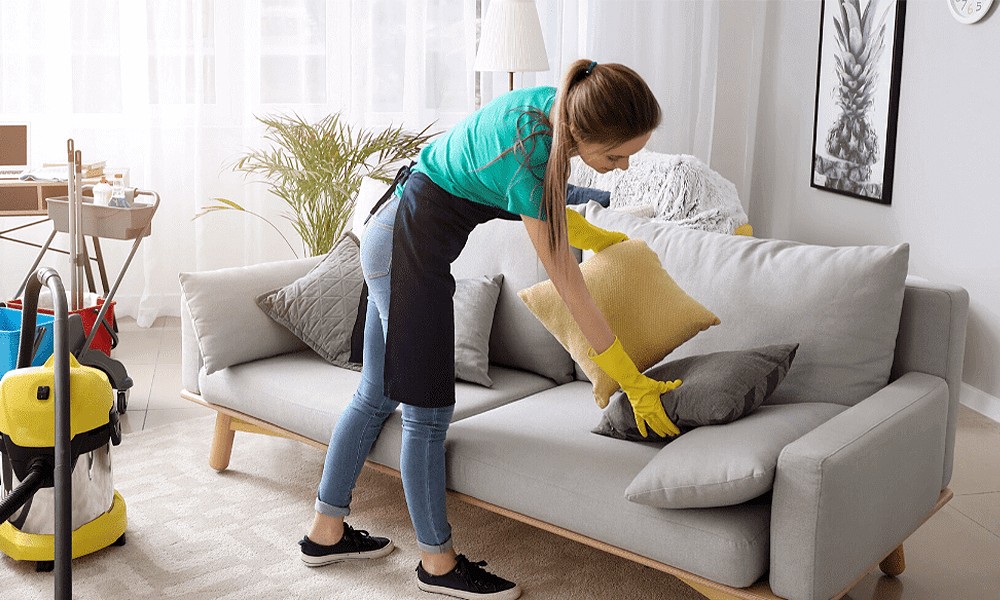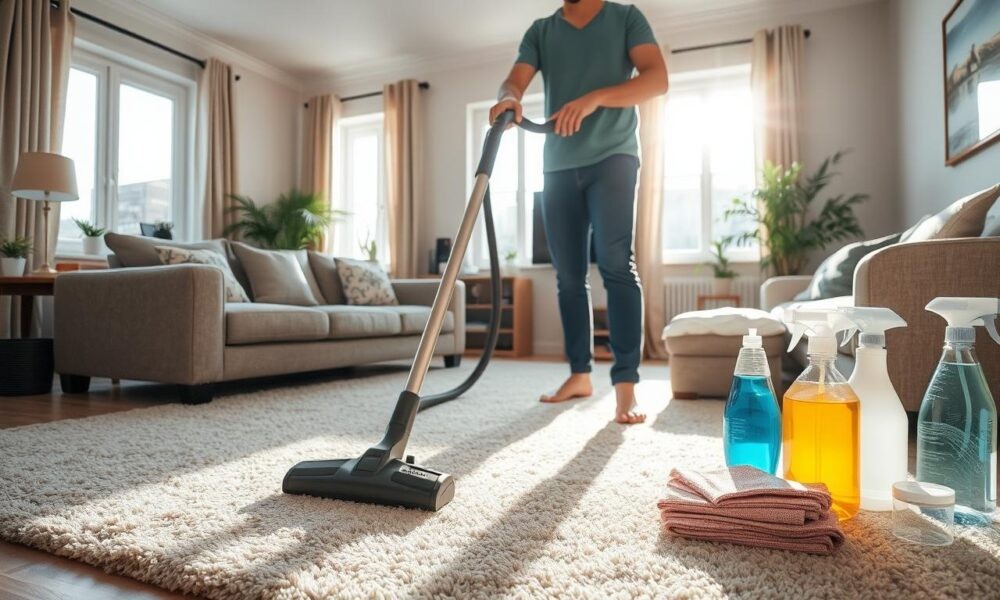
In Newport, where coastal air and busy neighbourhoods encourage a strong culture of cleanliness, many households take pride in maintaining spotless interiors. While hygiene is essential for preventing illness, excessive cleaning can unintentionally raise stress levels and weaken natural resilience.
This occurs through cortisol, the body’s primary stress hormone, which responds not only to emotional strain but also to environmental pressures created by over-sanitised living spaces.
Understanding Cortisol and Daily Stress Responses
Cortisol is released by the adrenal glands to help the body manage challenges. In short bursts, it is helpful, improving alertness and energy. Problems arise when cortisol remains elevated for long periods, which can disrupt sleep, digestion, and immune balance.
In Newport homes where constant disinfecting becomes routine, stress can be triggered by:
- Persistent concern about germs and contamination
- Rigid cleaning schedules that reduce opportunities for rest
- Sensory overload from strong chemical smells
- A feeling of losing control if surfaces are not perfectly clean
Over time, these pressures can turn ordinary household care into a chronic stressor.
How Over-Sanitation Affects the Body’s Natural Defences
A completely sterile environment is not what the human immune system evolved to handle. Moderate exposure to everyday microbes helps train immune responses, especially in children and older adults whose systems need balanced stimulation.
In highly sanitised Newport households, potential consequences may include:
- Reduced microbial diversity in indoor air and on surfaces
- Increased sensitivity to allergens and minor irritants
- Greater reliance on chemical cleaners that irritate skin and airways
- Disruption of healthy bacteria that support immunity
This imbalance can prompt the body to stay in a low-grade defensive state, which is closely linked to elevated cortisol levels.
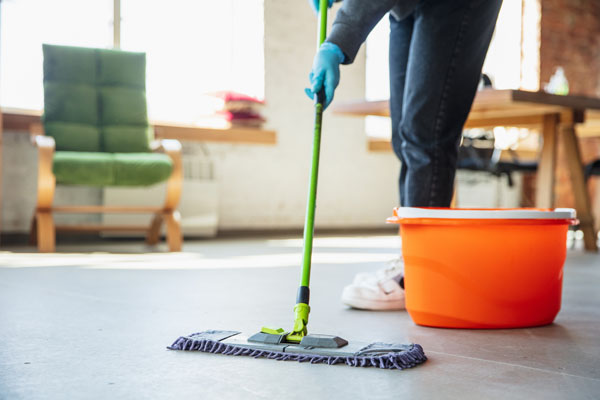
Psychological Pressure Behind Obsessive Cleaning
Obsessive cleaning often reflects a desire to create safety and order. However, when routines become compulsive, they can amplify anxiety rather than reduce it. In Newport’s fast-paced working households, time pressure can intensify the urge to keep everything perfect.
Common psychological drivers include:
- Fear of illness spreading within the family
- Social expectations of maintaining an immaculate home
- Using cleaning as a coping mechanism for emotional stress
- Difficulty tolerating uncertainty or minor mess
Environmental Factors in Newport Homes
Local housing conditions can also contribute to excessive cleaning habits. Coastal moisture, older building structures, and traffic-related dust may prompt residents to clean more frequently to manage odours and visible grime.
In response, many households increase:
- Use of antibacterial sprays and wipes
- Daily deep-cleaning of kitchens and bathrooms
- Air fresheners to mask lingering smells
While these efforts aim to improve comfort, they can worsen indoor air quality and trigger headaches, breathing discomfort, and irritability, all of which further stimulate stress responses.
Creating a Healthier Cleaning Balance
A practical approach to hygiene protects health without creating unnecessary strain. In Newport homes, balance can be achieved by focusing on targeted cleanliness rather than constant disinfection.
Helpful strategies include:
- Prioritising high-touch areas such as door handles and switches
- Using mild, fragrance-free cleaning products where possible
- Allowing natural ventilation to refresh indoor air
- Accepting that some everyday mess is normal and harmless
- Scheduling cleaning to allow time for rest and recovery
When Cleanliness Supports, Not Sabotages, Health
Clean homes contribute to comfort, safety, and pride, especially in close-knit Newport communities. However, when cleaning becomes driven by fear rather than practical need, it may undermine the very health it aims to protect. Elevated cortisol linked to obsessive sanitation can quietly affect sleep quality, immune response, and mood stability.
By recognising the connection between environment and stress, households can adopt routines that protect against illness without creating constant pressure. Balanced hygiene, paired with realistic expectations, allows Newport residents to maintain healthy homes that support both body and mind, proving that wellbeing thrives not in perfection, but in thoughtful moderation.