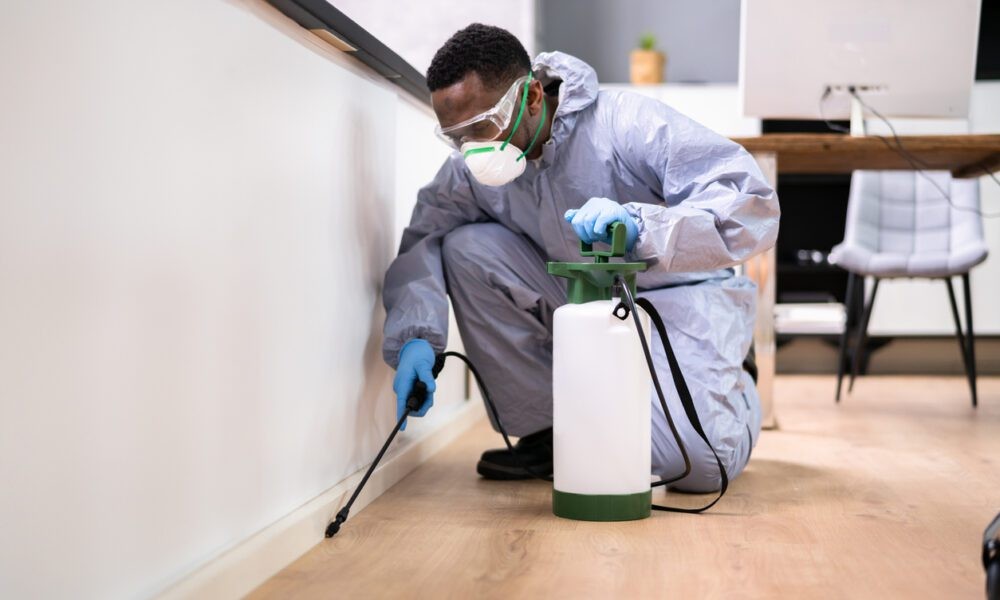
In Liverpool homes, sleep disruption is often blamed on traffic noise, late-night screen use, or irregular routines. Yet minor pest activity, even when barely noticeable, can interfere with the body’s ability to enter and maintain deep restorative sleep.
Scratching in walls, subtle movement in loft spaces, and faint insect sounds may not fully wake a sleeper, but they can repeatedly shift the brain into lighter sleep stages. Over time, this pattern reduces the quality of rest and affects next-day functioning.
Why the Sleeping Brain Reacts to Pest Cues
During sleep, the brain continues to scan for potential threats. This built-in vigilance, while protective, means that unfamiliar or irregular sounds can trigger micro-arousals. In Liverpool properties with shared walls or older timber structures, vibrations travel easily, making minor pest movement more noticeable to the nervous system even if the person remains unaware of waking.
Common sensory triggers linked to pest presence include:
- Soft scratching or gnawing sounds in wall cavities
- Insect movement within bedding or carpets
- Shifts in loft insulation caused by nesting activity
- Intermittent tapping near skirting boards or pipes
These cues interrupt deep sleep cycles, preventing the body from completing the full restorative process needed for physical and mental recovery.
The Physiological Cost of Fragmented Sleep
Deep sleep supports immune repair, memory consolidation, and emotional regulation. When pest-related disturbances repeatedly shorten these stages, the effects can accumulate quietly. Liverpool residents may notice changes in energy and focus without recognising the environmental cause.
Short-term consequences may include:
- Morning fatigue despite sufficient hours in bed
- Reduced concentration at work or school
- Increased sensitivity to everyday stress
Longer-term effects can involve:
- Weakened immune response
- Elevated anxiety levels
- Slower cognitive processing
Because the sleep loss is subtle rather than dramatic, households may delay addressing the underlying disruption.

Why Liverpool Homes Can Experience Hidden Activity
Liverpool’s mix of historic terraces, converted flats, and riverside developments creates varied building conditions that can unintentionally support low-level pest presence. Small gaps around pipes, ageing roof tiles, and shared waste areas allow pests to move between properties without immediate detection.
Environmental and structural factors often include:
- Wall voids in older brick terraces that provide sheltered nesting routes
- Warm service ducts in apartment blocks that attract insects and rodents
- Basement flats with higher moisture levels that support insect breeding
- Proximity to food outlets and waste storage areas increasing local pest pressure
Identifying Sleep-Related Warning Signs
Pest activity does not always present as visible infestations. In many Liverpool households, sleep disturbance may be the first noticeable signal. Paying attention to patterns can prompt earlier investigation.
Potential indicators include:
- Repeated waking at similar times each night
- Pets reacting to walls, floors, or corners after dark
- New sounds coinciding with heating or plumbing quiet periods
- Unexplained allergy flare-ups that disturb breathing during sleep
Supporting Deep Rest Through Environmental Control
Protecting sleep quality involves both pest prevention and household design choices. In Liverpool, practical steps can significantly reduce night-time disturbance.
Effective measures include:
- Sealing entry points around skirting boards and service pipes
- Keeping loft insulation compact and undisturbed
- Using enclosed traps and targeted treatments rather than surface sprays
- Maintaining regular waste disposal and clean food storage areas
- Improving bedroom sound insulation where feasible
Professional inspections can also identify activity in hidden spaces that residents cannot easily access.
Takeaway: Restful Homes, Healthier Days
Consistent, deep sleep is essential for resilience, productivity, and emotional balance. In Liverpool, where busy urban life already challenges rest routines, even minor pest activity can quietly undermine nightly recovery. By recognising the connection between environmental disturbances and sleep quality, households can take timely action.
Addressing low-level pest presence not only protects property but also safeguards the deep, uninterrupted rest that supports healthier and more alert days.