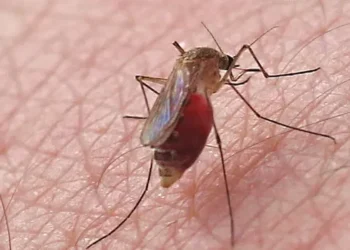
In many homes across Derry, pest problems are often treated as a nuisance rather than a health concern. Yet certain infestations introduce neurotoxic substances into living spaces, creating risks that extend beyond allergies and respiratory irritation.
Rodents, insects, and the chemicals used to control them can all release compounds that interfere with nervous system function. Because these exposures are usually low-level and continuous, their effects on attention, memory, and mood can go unnoticed for months or even years.
How Common Pests Introduce Neurotoxins
Hidden pests affect indoor environments in ways that are not always visible. In Derry’s older housing stock and damp basements, these risks can quietly accumulate.
Primary sources of neurotoxic exposure include:
- Rodent urine and droppings, which can carry pathogens that trigger inflammatory responses linked to cognitive fatigue.
- Cockroach debris, including shed skins and waste, is known to aggravate neurological stress through chronic immune activation.
- Mold growth encouraged by pest activity, producing mycotoxins that affect concentration and sleep quality.
- Improper pesticide use, where residues linger on surfaces and in air vents, increasing neurological load over time.
While each source alone may seem minor, combined exposure in enclosed spaces can gradually strain the nervous system.
Cognitive Symptoms Often Misattributed
Residents in Derry sometimes report symptoms that are attributed to work stress, ageing, or poor sleep, without considering environmental contributors inside the home. Neurotoxic exposure from infestations rarely causes dramatic illness; instead, it tends to produce subtle, persistent changes.
Commonly reported effects include:
- Slower information processing and mental fog
- Increased irritability or low mood
- Difficulty sustaining attention
- Disrupted sleep patterns
- Headaches without clear triggers
Because these symptoms develop slowly, households may not connect them to pest-related contamination, allowing the problem to persist.

Why Derry Homes Can Be Vulnerable
Derry’s climate and building patterns can unintentionally support hidden infestations. Periods of high rainfall encourage damp conditions, while tightly sealed properties aimed at energy efficiency can trap airborne particles indoors. Older properties with wall cavities, loft voids, and shared drainage routes offer pests discreet pathways between structures.
Additional risk factors include:
- Cellars and underfloor spaces that remain cool and moist
- Cluttered storage areas that provide nesting sites
- Infrequent ventilation during colder months
- Shared waste disposal zones in terraced housing
These conditions allow pests and associated toxins to circulate within living areas, even when no active infestation is immediately visible.
The Role of Prevention and Safe Control
Addressing neurotoxic exposure begins with reducing both pest presence and chemical reliance. In Derry, an increasing number of property managers and homeowners are adopting integrated pest management approaches that focus on exclusion and sanitation before chemical treatment.
Effective prevention strategies include:
- Sealing cracks, pipe gaps, and air brick openings
- Maintaining dry conditions in basements and kitchens
- Using enclosed bait systems instead of surface sprays
- Scheduling routine professional inspections
- Improving airflow in lofts and wall cavities
When treatment is necessary, selecting low-toxicity products and ensuring correct application limits secondary neurological exposure, particularly for children and older adults.
Protecting Cognitive Wellbeing at Home
Healthy housing is not only about comfort and cleanliness; it also supports long-term mental clarity and emotional balance. In Derry, where community health and independent living are closely valued, recognising environmental contributors to cognitive strain is an important step toward prevention.
Conclusion
By viewing pest control as part of overall household wellness rather than an occasional emergency response, residents can reduce silent neurological stressors. Early detection, safer control methods, and consistent maintenance protect both the structure of the home and the mental sharpness of those who live within it.
In this way, addressing hidden infestations becomes an investment in clearer thinking, steadier moods, and healthier daily living across Derry’s homes.